

Media Centre
Speech

Mheshimiwa Waziri wetu wa Wizara ya Habari, Mawasiliano na Teknolojia ya Habari, Mheshimiwa Naibu Waziri wetu, Mheshimiwa Katibu Mkuu, Ndugu yangu Daktari Mwasaga, Honourable Guests from European Union, UNESCO, Huawei, Colleagues, Members of ICT Powerful Team in Tanzania; Kwa jina la Muungano wa Tanzania…Kazi Iendelee.
Mimi kazi yangu ni kutoa salamu Mheshimiwa Waziri, na ni ndogo sana, na nimeshatoa salamu, basi naomba tuendelee na shughuli yetu.
Asanteni sana!
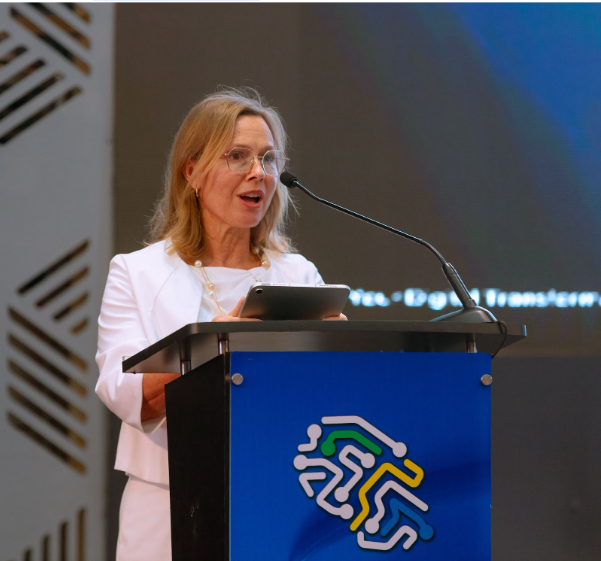
Dear audience, esteemed guests, and honourable Minister Jerry Silaa(M.P), it is a pleasure to be here today, and thank you for this invitation and giving me the possibility to share a few reflections. Finland is a proud member of Team Europe, and we are promoting the digital agenda globally. We do this because of the immense transformative power of digital technologies. It promotes, as we know, economic growth, it promotes innovation in a completely new way, and it improves our well-being.
In September, we were very pleased to host Minister Silaa’s delegation in Helsinki, and then we flew him up to Oulu as well, a small town in northern Finland. During the visit, we were pleased to share insights from our own digital journey and solutions that have driven growth, improved connectivity, and enhanced security in my country. Finland believes that accelerating a human-centric, sustainable digital transition will bring similar benefits here in Tanzania as well, whether in education, healthcare, or governance. This commitment is central to our partnership with Tanzania. We value the partnership extremely, bilaterally and also as part of Team Europe. We aim at strengthening ties among European and Tanzanian actors — governments, private sector, civil society, and academic institutions, many of whom we see here today.
One of the key frameworks for advancing these efforts is Team Europe. In addition to our bilateral programs, Finland is proud to work together with other EU member states to support digitalization worldwide. Finland has recently assumed co-leadership of the new EU Informal Digital Hub here in Tanzania. Together with the EU delegation, we have contributed to joint EU initiatives like the Digital for Development Hub and played lead roles in EU twinning projects aimed at fostering digital transformation globally.
In Tanzania, we are especially proud of our twinning project co-led by Haaga-Helia, an institution of Finland, where we work together with the Ministry of ICT and its partners to strengthen digitalization. This peer-to-peer initiative emphasises learning from colleagues across borders. The twinning project is ambitious and broad; it aims to strengthen both social and economic development through digitalization, including cybersecurity, connectivity, and data protection. These elements are increasingly vital as a foundation for human activity in today's society. As cyber threats grow, strong cybersecurity frameworks are essential. We are working with Tanzanian counterparts to strengthen digital resilience, protect sensitive data, and ensure secure and sustainable connectivity. At the same time, we support the modernization of data protection frameworks to safeguard the privacy and rights of citizens as Tanzania digitises.
Through this twinning project, we aim to facilitate sustainable reforms and foster long-term cooperation in areas of digitalization. We are very pleased that we have the TAIEX instrument, which stands for Technical Assistance and Information Exchange, an instrument of the European Commission, bringing together top experts from Finland and other European countries to meet with their Tanzanian counterparts this very week.
Our partnership goes beyond technology. It's about sharing knowledge to enable Tanzania to lead its own digital transformation for the benefit of its citizens. There is great potential for further cooperation in areas like data policy frameworks, artificial intelligence, and sustainable data infrastructures. Our experience offers insights, but mutual learning is crucial. Today marks a significant step in deepening these partnerships.
We also know that digital transformation requires investments, especially from the private sector. To unlock these, we need strong policy and regulatory frameworks, particularly in data and artificial intelligence. Through the Global Gateway Strategy, Team Europe aims to unlock investments in trusted digital infrastructures in partner countries. Finland's National Development Finance Institution is also contributing to expanding digital sector investments in Sub-Saharan Africa.
Lastly, I want to highlight the Data Governance in Africa Initiative, where Finland works alongside partners like Germany, Estonia, France, and the African Union. This initiative strengthens data policy frameworks, supports cross-border data flows, and drives data-driven innovation and infrastructure development. Digitalization is not just about technology; it is about belonging to a society and the right to have access to information. From my own experience, one example is the government electronic service in Finland called Suomi.fi. It is a platform where you can find information and services for citizens’ needs in all kinds of areas, whether family matters, social security, health, education, employment or unemployment, housing, legal rights, economy, and travel — very many areas. This is making life easier for the citizens and keeps the trust between government and citizens strong.
Finland remains committed to supporting Tanzania's digital transformation through Team Europe and our expertise. Together, we can drive digital innovation and growth even further. Asante.
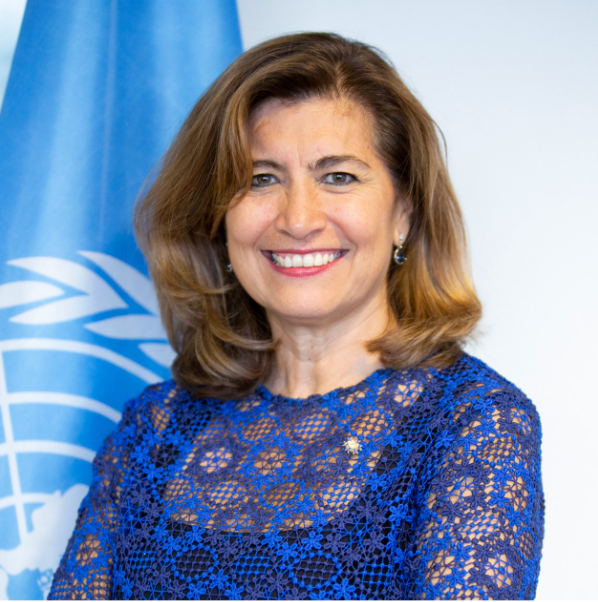
Good Morning, everyone. It is my pleasure to welcome you to this important event. We stand at the forefront of one of the most profound and rapid technological transformations in history. Artificial intelligence already significantly impacts many aspects of our lives, reshaping the way we work, learn, and organise as a society.
This is particularly the case in Tanzania, with its rich technology ecosystem and strong governmental support for digitalization and AI. The theme of this conference and the presence of diverse stakeholders, including UNESCO, showcase the government’s commitment to steering AI's impacts toward positive socio economic transformation. It is also encouraging to see efforts toward a national strategy for artificial intelligence, setting out the government's plans for developing Tanzania as an AI-powered society.
As we marvel at AI's growing capabilities, especially generative AI tools such as ChatGPT, we must recognize that this transformation also brings substantial concerns. These technologies can bring enormous benefits: greater productivity, more efficient delivery of public services, broader societal empowerment, and economic growth. However, they also risk perpetuating global inequalities, destabilising societies, and endangering human rights and democracy if they are not safe, representative, fair, and accessible to all.
This is why, at UNESCO, we believe that the conversation on AI is a societal one, not merely a technological one. It is about envisioning the society we want and then aligning technologies with that vision. Our aim is not to control technology but to steer its development in a direction that serves human goals.
We must ensure the rule of law and create policy frameworks that mitigate negative impacts while steering the development and deployment of AI systems to address national priorities and global challenges. This is about incentives, policies, and ethical frameworks, all underpinning the UNESCO Recommendation on the Ethics of Artificial Intelligence. This recommendation remains one of the only globally agreed normative standards for AI ethics, covering 194 countries. Over the past two and a half years, UNESCO has actively worked to implement this recommendation, helping governments translate provisions related to human rights, human dignity, sustainability, and fairness into concrete policy action.
Today marks an important milestone in this work, as I am delighted to join you in launching Tanzania's Readiness Assessment Methodology, or RAM. I would like to thank and congratulate the Ministry of Information, Communication, and Technology and the Tanzanian Government for their commitment to putting ethics at the heart of the AI strategy through this multi-stakeholder project.
The RAM is a diagnostic tool that shows where a country stands in terms of AI infrastructure, governance, investments, laws, social policies, culture, education, and science. Based on this data, as well as the findings from multi-stakeholder consultations, UNESCO will produce a report highlighting the impressive developments in Tanzania's technology landscape and presenting key policy recommendations to advance Tanzania's journey toward a thriving, ethical, and responsible AI ecosystem aligned with UNESCO’s recommendations.
This process goes beyond simply providing policy recommendations. We stand ready to help with implementation through our global networks, including the AI Experts Without Borders and Women for Ethical AI, and through tools like our ethical impact assessment. We also offer the Business Council, an observatory on global governance, and peer-learning opportunities with 50 other countries undertaking RAMs worldwide.
We very much look forward to working with the Tanzanian government on this project, and I wish you all the best in your discussions and plans for a national AI strategy going forward. Thank you for your attention.
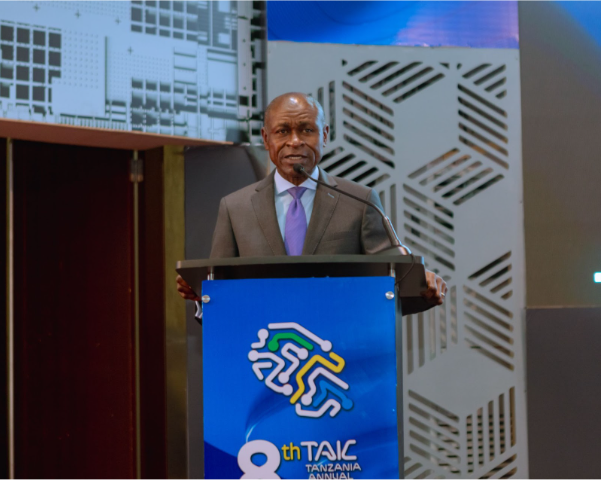
Honourable Minister of the Ministry of Information, Communication, and Technology, Honourable Jerry William Slaa(M.P); Honourable Deputy Minister of the Ministry of Information, Communication, and Technology, Honourable Mary Priscus Maundi; esteemed leaders and officials present; Excellencies, Ambassadors, members of the Diplomatic Corps; ladies and gentlemen, Good Morning.
UNESCO is delighted to be here today with you. We are very happy to be involved and to participate in this ICT annual conference. Honourable guest of honour, ladies, and gentlemen, I now invite you to listen to a UNESCO special message that will be delivered by the Assistant Director-General for Human and Social Science, Mrs. Gabriela Ramos.